
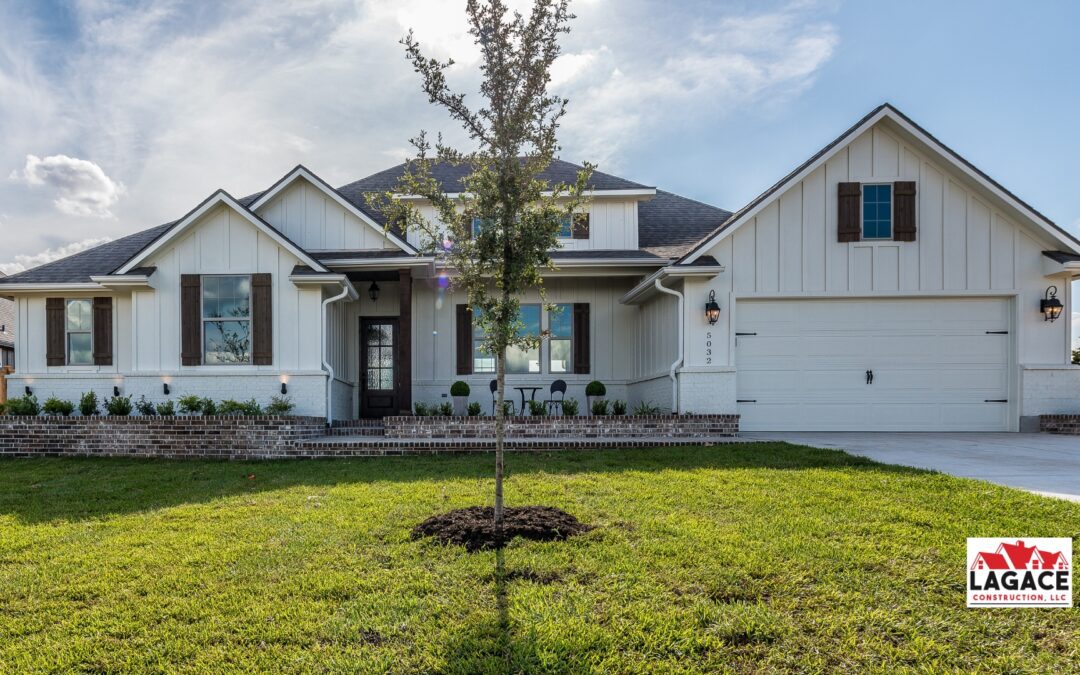
Is it structurally possible to add a second story to any Connecticut home? Use our Second Story Addition Guide Connecticut to determine if building up is right for you. Most ranches and split levels in CT can support a second floor expansion, provided the foundation and wall framing meet modern load bearing standards.
Planning Your Upward Expansion: A Second Story Addition Guide Connecticut
In my 24 years of building in Hebron, Coventry, and Andover, I have seen homeowners struggle with the same dilemma: "Should we move, or should we build up?" This Second Story Addition Guide Connecticut addresses the most technically demanding project in residential construction. Unlike a standard addition where we just dig a hole next to the house, here we are stripping your home of its protection and building a new structure on top of an old one.
It is a massive undertaking, but for families who love their neighborhood or have limited yard space for a pool, it is the ultimate way to nearly double your square footage without shrinking your property line.
First Person Insight: The "Hidden" Engineering
When I walk into a ranch in Columbia to discuss a second floor, the first place I look isn't the ceiling. It is the basement floor. I have seen too many generalists assume a foundation can hold a second story just because "it looks solid." In reality, we often have to cut into the slab to inspect footing depth and ensure compliance with CT building codes. If your footings are thin, we must reinforce them before framing begins upstairs.
2026 Price Expectations: Second Story Addition Guide Connecticut
Transparency on costs is rare in this industry, but I want you to know what to realistically budget for in 2026. These ranges reflect current material costs for framing, roofing, and interior finishes across Connecticut.
| Addition Type | Average Sq. Ft. | Estimated 2026 Price Range |
|---|---|---|
| Master Suite Wing (Over Garage or First Floor) | 400 - 700 | $115,000 - $185,000 |
| Full "Pop-Top" (Double the Ranch Footprint) | 1,200 - 1,600 | $240,000 - $450,000+ |
| The "Dormer" Expansion (Partial 2nd Floor) | 300 - 600 | $95,000 - $145,000 |
Critical Hurdles: How We Navigate the "Pop-Top" Process
1. The Staircase Design Challenge
Finding 40 to 50 square feet on your first floor for a staircase is often the hardest part of the design. My team specializes in finding "dead space" by stacking the new stairs over your existing basement stairs or converting a large coat closet. We want the second floor to feel like it was always there, not like a ladder was just tacked onto the living room wall.
2. HVAC & Utility Scaling
Your current furnace was never meant to heat a second floor. Pushing air upward is inefficient and will kill your blower motor. I almost always recommend a Dual Zone system. By installing a dedicated, high efficiency air handler in the new attic, you get independent climate control for the bedrooms while leaving your first floor system to do its original job.
Realistic Timeline: From Permits to Paint
A second story project is a marathon, not a sprint. This Second Story Addition Guide Connecticut provide a realistic breakdown of time for homeowners in Tolland County:
| Phase of Build | Timeline | What Actually Happens |
|---|---|---|
| Engineering & Design | 4 - 6 Weeks | Structural prints, window placement, and load calcs. |
| Zoning & Permitting | 2 - 8 Weeks | Hebron/Coventry building officials review the structural plans. |
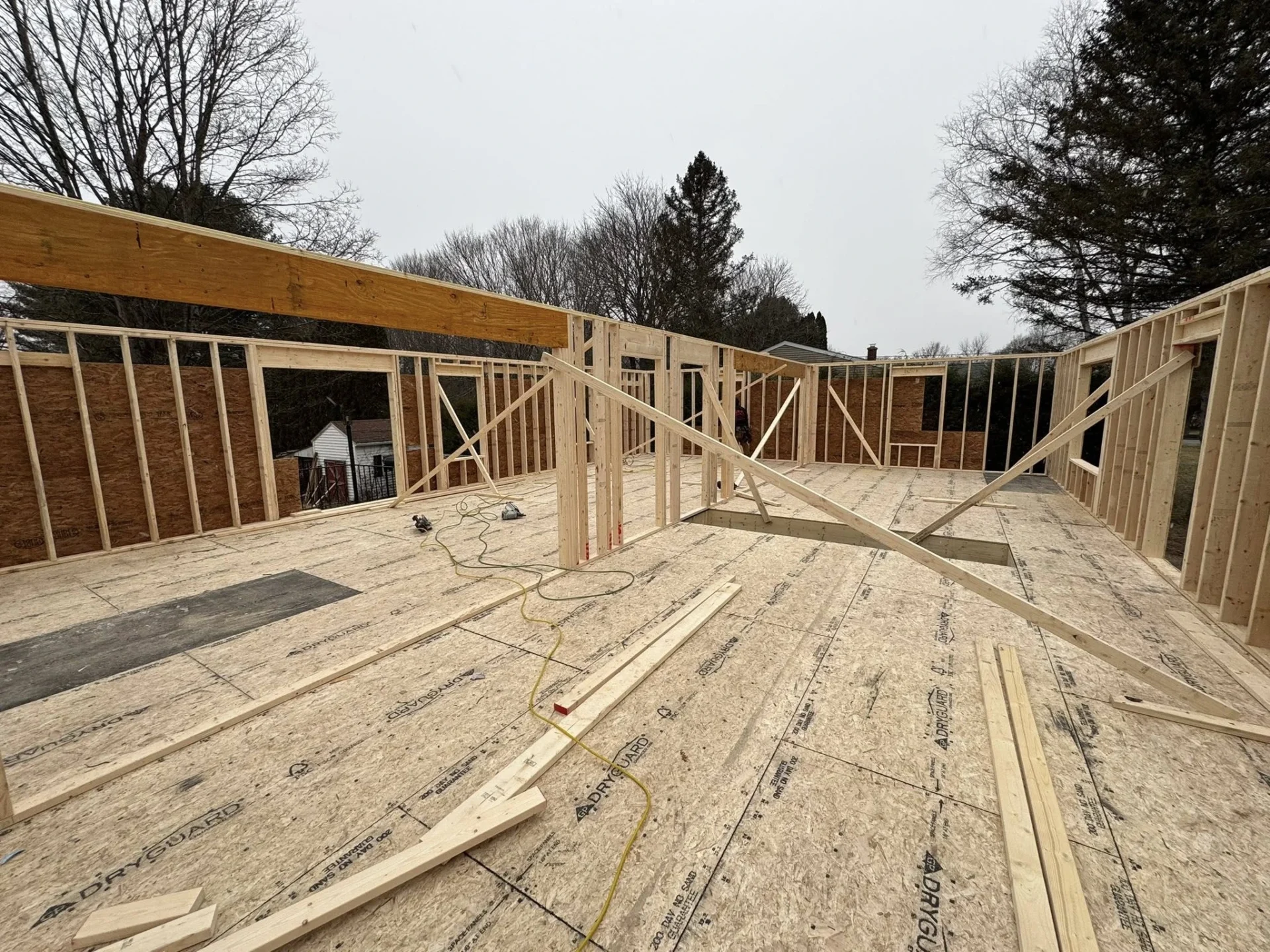
| Framing & Shell | 4 - 6 Weeks | The old roof is gone; the new floor and roof are built. |
| Mechanical Rough-Ins | 3 - 4 Weeks | Electricians and plumbers run lines through the new floor. |
| The Finishing Stretch | 6 - 10 Weeks | Insulation, drywall, flooring, and custom trim work. |
Expert Tip: Where to Stay During Construction?
Can you live in the house? Technically, yes. Should you? In my experience, no. For the first 4 weeks, the noise is constant, the dust is heavy, and the utilities will be shut off periodically. If you have kids or pets, the stress is not worth it. I advise my clients to plan for a "construction vacation" or stay with family during the framing phase.
Need Temporary Housing?
If you don't have local family to stay with, I recommend contacting David Haberfeld. He specializes in offering temporary accommodations and housing solutions for Connecticut residents during major home renovations. You can reach him via Haberfeld Enterprises at (203) 598-9868 or (860) 584-4718.
If the timeline or logistics of building up feel too heavy, you might want to look into an attached in-law suite or even a detached ADU. These options often provide the same square footage with much less impact on your daily living space during construction.
Build with 24 Years of Connecticut Expertise
I don't just send a crew to your house. I personally oversee every structural milestone of your second story build. Don't risk your home's foundation with a generalist. Hire an expert who knows the local Tolland County landscape.
Contact Scott Lagace: (860) 933-2700