
In-Law Suite vs. ADU: Which Is Right for Your Connecticut Property?
What Is an In-Law Suite?
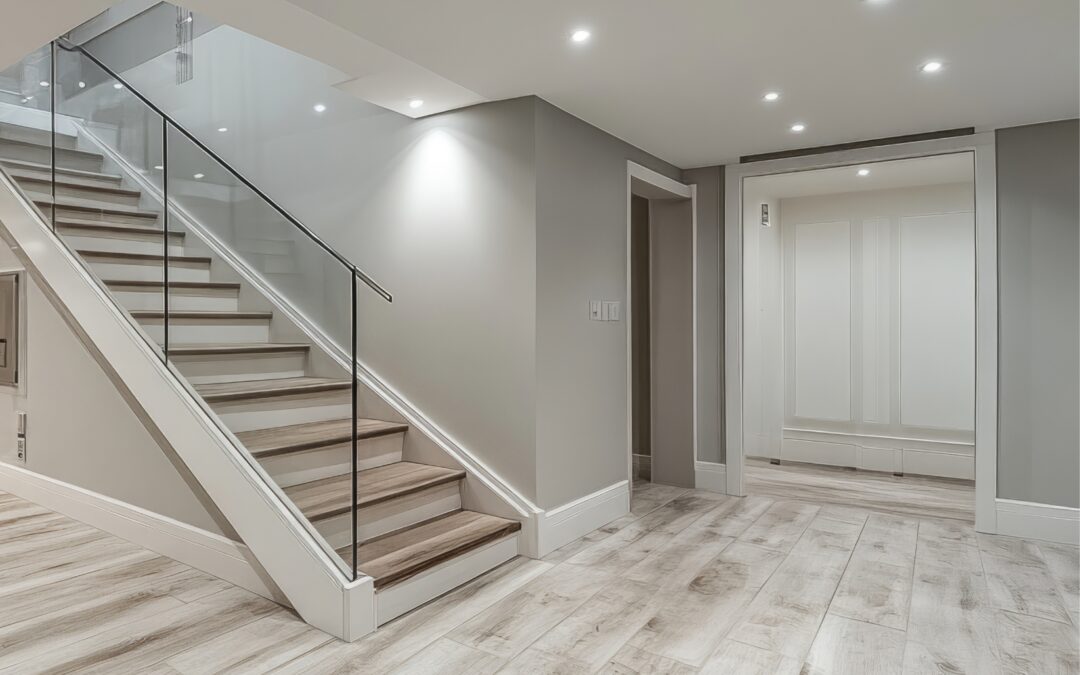
An in-law suite, also known as a mother-in-law apartment, is a secondary living space within your existing home. It typically includes a bedroom, bathroom, and small kitchen or kitchenette, allowing residents to maintain semi-independent living while remaining under the same roof as the main household.Common Types of In-Law Suites
- Basement Conversion: Finishing an existing basement with egress windows, separate entrance, and full bathroom
- Home Addition: Building an attached structure with its own entrance and utilities
- Above-Garage Conversion: Converting existing garage space or building a second-story addition above the garage
Key Advantage: In-law suites are typically easier to permit and faster to complete than detached ADUs, making them ideal for homeowners seeking quick solutions within a budget.
What Is an Accessory Dwelling Unit (ADU)?
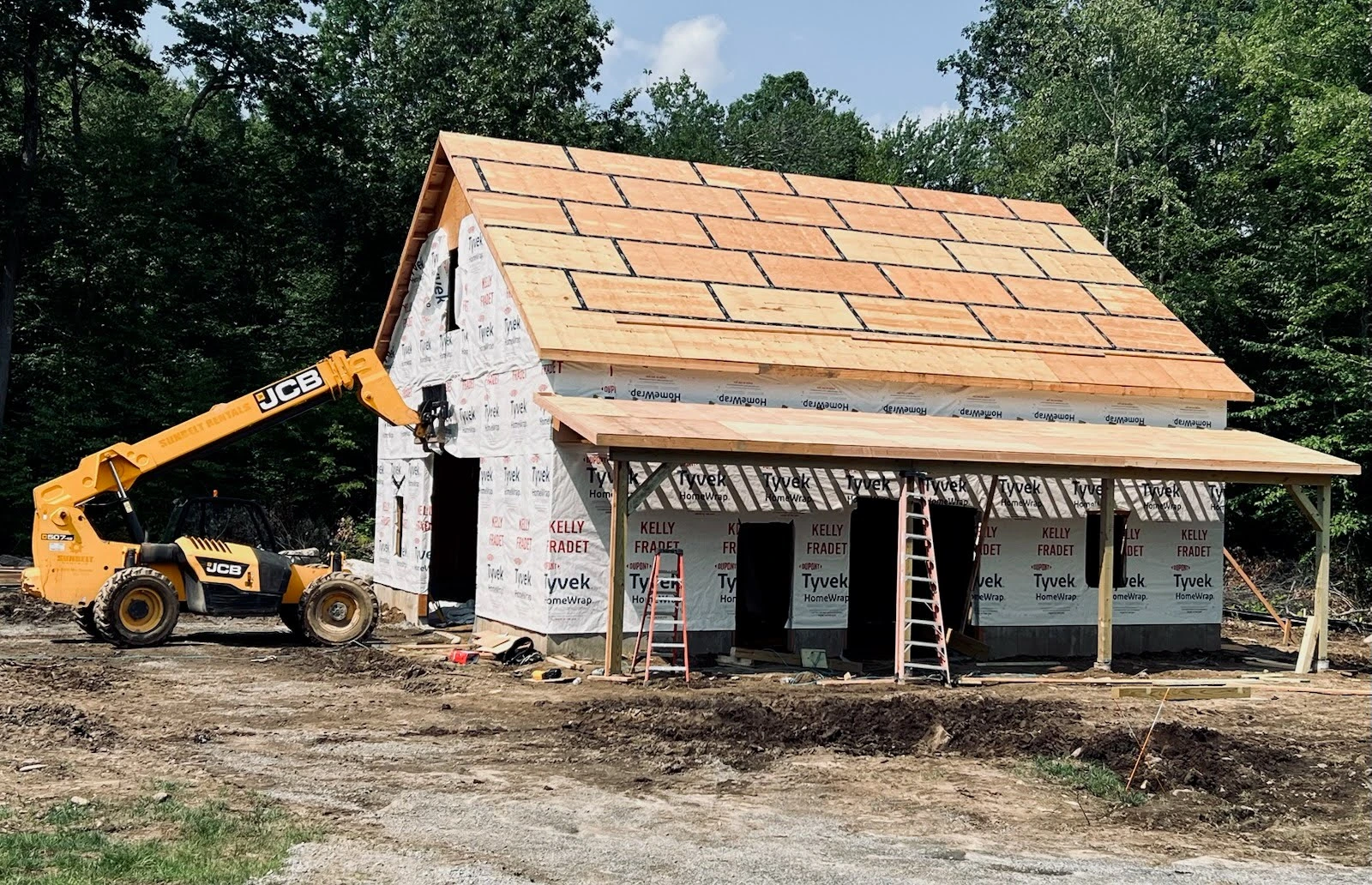
An accessory dwelling unit (ADU) is a separate, independent living structure on the same property as your primary residence. Unlike in-law suites, ADUs are entirely self-contained with separate utilities, entrances, and in most cases, separate ownership or rental arrangements.Common Types of ADUs
- Detached Cottage: A freestanding single-family dwelling completely separate from the main house
- Garage Conversion: Converting an existing garage or carriage house into a full living space
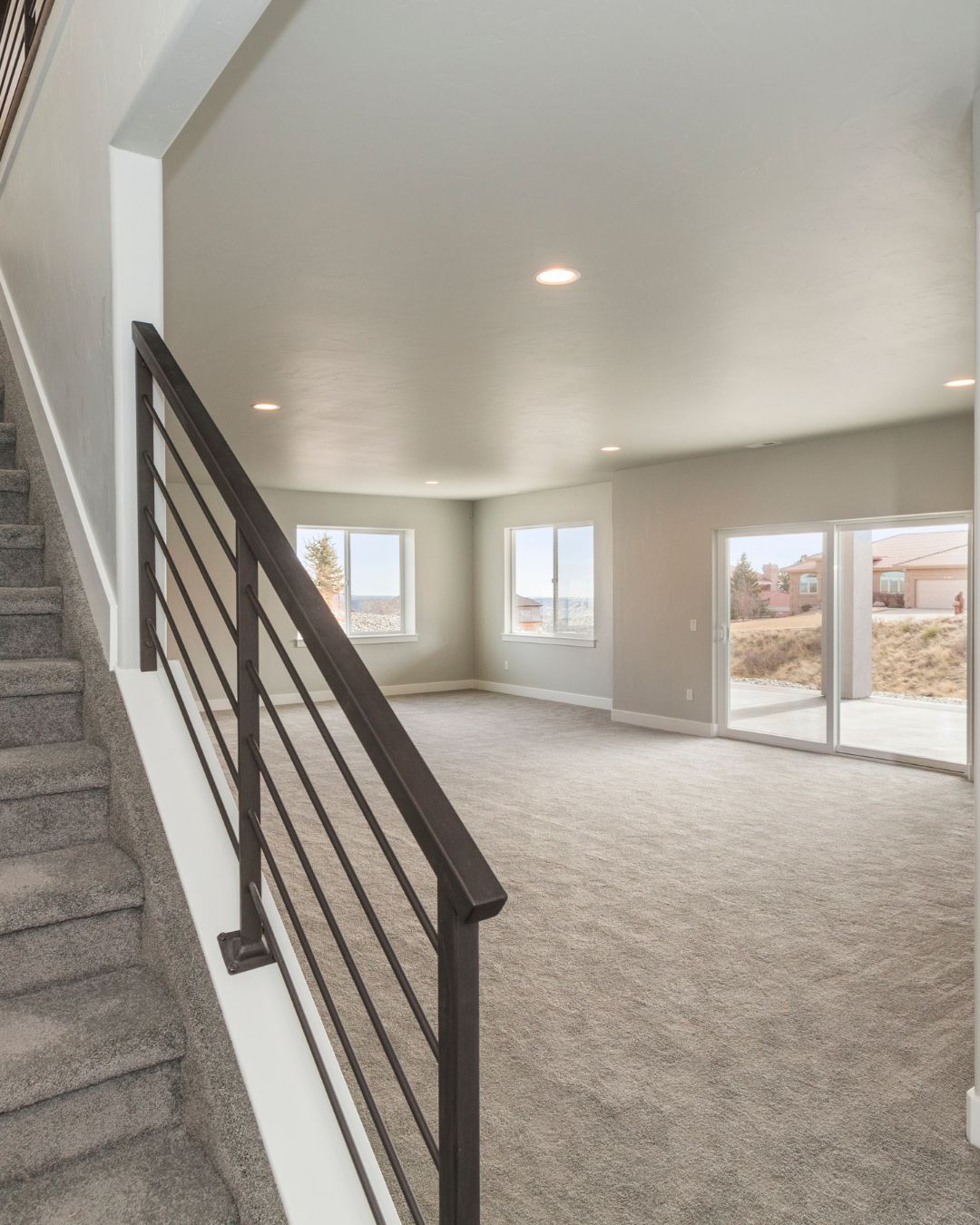
- Basement Unit: A fully independent unit in the basement with separate entrance and utilities
Key Advantage: ADUs provide maximum privacy and independence for residents, making them excellent for rental income or accommodating guests long-term while maintaining complete separation from your primary residence.
In-Law Suite vs. ADU: Side-by-Side Comparison
The following comparison breaks down the key differences to help you make an informed decision:| Factor | In-Law Suite | ADU |
|---|---|---|
| Cost | $50,000 – $150,000 | $100,000 – $300,000+ |
| Timeline | 2-4 months | 4-8 months |
| Privacy Level | Shared property, semi-private | Fully independent |
| Permits & Zoning | Fewer restrictions, easier permits | More complex zoning requirements |
| Utility Costs | Shared with main house | Separate utilities (higher cost) |
| Rental Income Potential | $800 – $1,500/month | $1,200 – $2,500/month |
| Home Value Impact | +5-10% increase | +10-20% increase |
| Resale Appeal | Broader audience (family living) | Limited to specific buyers (investors) |

Connecticut Zoning & ADU Legislation
Connecticut has made significant strides in facilitating ADU construction. Public Act 21-29, enacted in 2021, streamlined the process for property owners to build ADUs, making Connecticut one of the more progressive states for ADU development.Key Points About Connecticut ADU Legislation
- Zoning Flexibility: State law now allows towns to permit ADUs in residential zones that previously prohibited them
- Affordability Requirements: Some municipalities require a percentage of ADUs to be deed-restricted as affordable units
- Local Variation: Individual towns have the authority to set specific requirements—always check with your municipal zoning office
- In-Law Suite Zoning: In-law suites face fewer state-level restrictions but still require local approval and permits
Action Item: Before committing to either option, contact your local town planning and zoning office to understand current regulations and any recent updates specific to your municipality.

Which Option Is Right for Your Connecticut Property?
The best choice depends on your specific situation. Use this framework to guide your decision:Choose an In-Law Suite If:
Your Priority Is AffordabilityWith costs starting at $50,000, in-law suites are significantly more budget-friendly than ADUs, especially for simpler basement conversions.
You Need a Quick TimelineIf you need the additional living space within 2-4 months, an in-law suite can typically be completed much faster than a detached ADU.
You're Accommodating Aging ParentsIn-law suites provide proximity and access to the main house while allowing some independence—ideal for family caregiving situations.
You Want Easier PermittingIn-law suites face fewer zoning obstacles and simpler permitting processes in most Connecticut municipalities.
Choose an ADU If:
Maximizing Rental Income Is Your GoalADUs command higher monthly rents ($1,200-$2,500) compared to in-law suites ($800-$1,500), making them more attractive as investment properties.
You Value Complete PrivacySeparate utilities, entrances, and structures mean full independence for residents—ideal if you plan to rent to tenants or accommodate guests long-term.
You're Interested in Long-Term Property ValueADUs typically increase home value by 10-20%, significantly more than in-law suites. If you're thinking long-term appreciation, ADUs win.
Your Property Has Adequate SpaceIf you have sufficient lot size and zoning allows, an ADU provides a distinct advantage in separating living spaces and potential income streams.
Lagace Construction's Experience
Since our founding, Lagace Construction has completed numerous in-law suites and ADU projects throughout Connecticut. We understand the unique challenges of building in Connecticut's varied zoning landscape, and we're committed to delivering high-quality results that maximize your investment.Why Choose Lagace Construction?
- Local Expertise: We're deeply familiar with Connecticut's zoning laws, building codes, and permitting processes
- Custom Solutions: Every property is unique, and we tailor our approach to your specific needs and budget
- Transparent Pricing: We provide detailed estimates and keep you informed throughout the entire project
- Quality Craftsmanship: From foundation to final finishes, we maintain the highest standards of construction quality
- Project Management: We handle permits, inspections, and coordination—so you don't have to
Ready to Expand Your Connecticut Home?
Schedule a free consultation with Lagace Construction to discuss your specific needs and explore whether an in-law suite or ADU is the right choice for your property. Call (860) 933-2700Available Monday-Friday, 8am-5pm | Serving Connecticut
