Custom ADU & Detached In-Law Apartment Builder in CT
Unlock the full potential of your property with a standalone Accessory Dwelling Unit (ADU). Perfect for multi-generational living, a private home office, or a high-value rental unit.
Start Your ADU Build
From site preparation and utility trenching to final finishes, we handle the entire detached build process. Schedule your free estimate today.
Call (860) 933-2700Custom Accessory Dwelling Unit (ADU) Solutions in Connecticut
As a leading ADU builder in Connecticut, Lagace Construction helps homeowners unlock the true potential of their property. Standalone Accessory Dwelling Units are the ultimate modern solution for families seeking a balance of close proximity and total privacy.
Zoning Experts
We navigate the 2026 CT ADU regulations in towns like Hebron and Coventry for you.
Utility Integration
From septic extensions to utility trenching, we handle the complex infrastructure detached builds require.
Premium Finishes
Our ADUs feature the same high-end craftsmanship as our New Home Builds.
The Technical Side of Building Detached
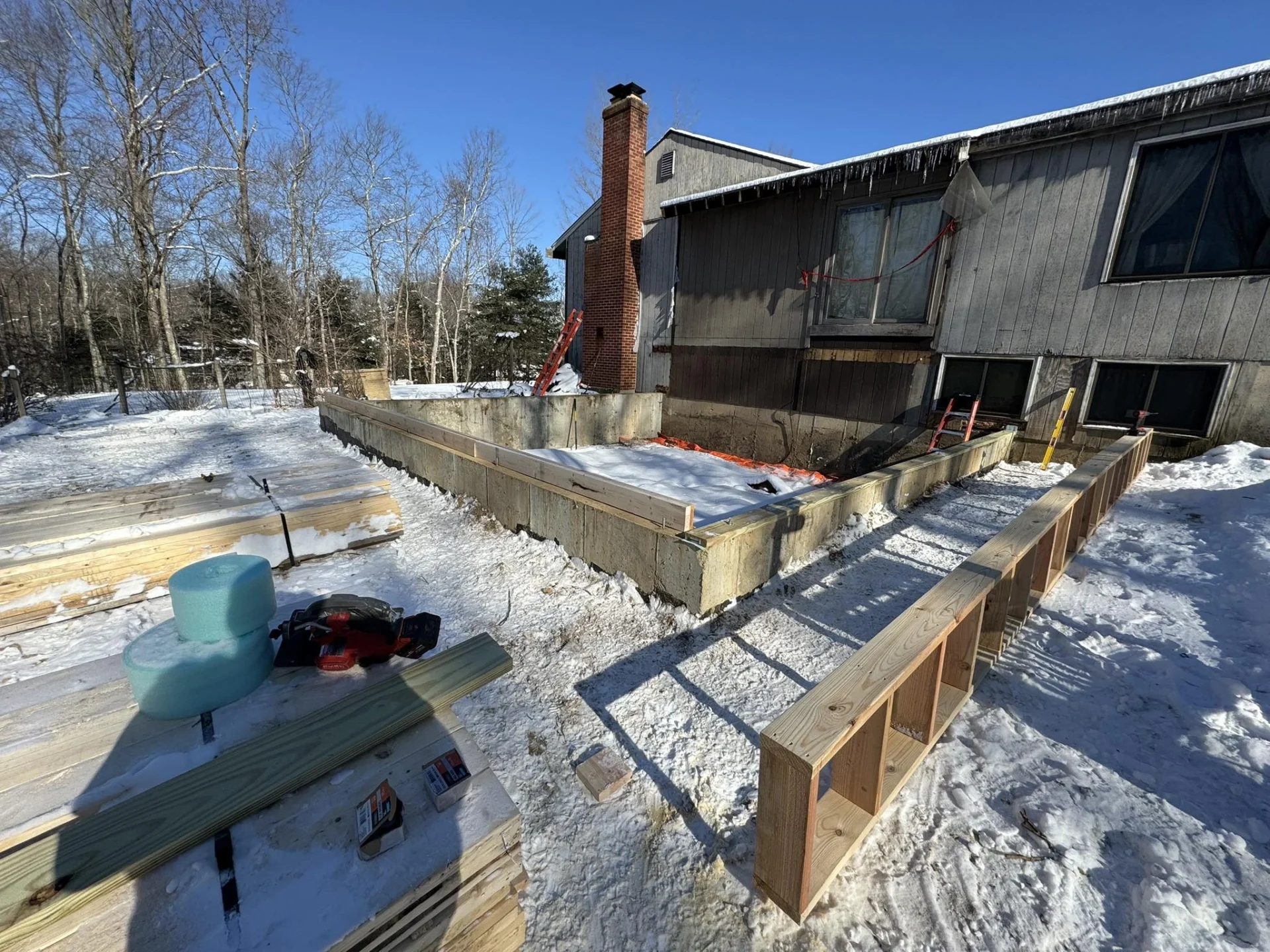
Building a detached ADU is essentially building a custom tiny home. It requires its own dedicated slab or frost-wall foundation, independent electrical sub-panels, and often specialized plumbing pumps if the topography doesn't allow for gravity-fed drainage to the existing septic system.
As a specialist ADU builder in Connecticut, Scott Lagace manages the heavy site work—including utility trenching and land clearing—to ensure your new unit functions perfectly without straining your main home's resources. Explore our home additions for attached options.
Trusted by Your Neighbors
With over 24 years of excellence in Tolland County and across Northeast Connecticut, we bring "Big Builder" standards to your custom backyard project.
Strategic Multi-Generational Living
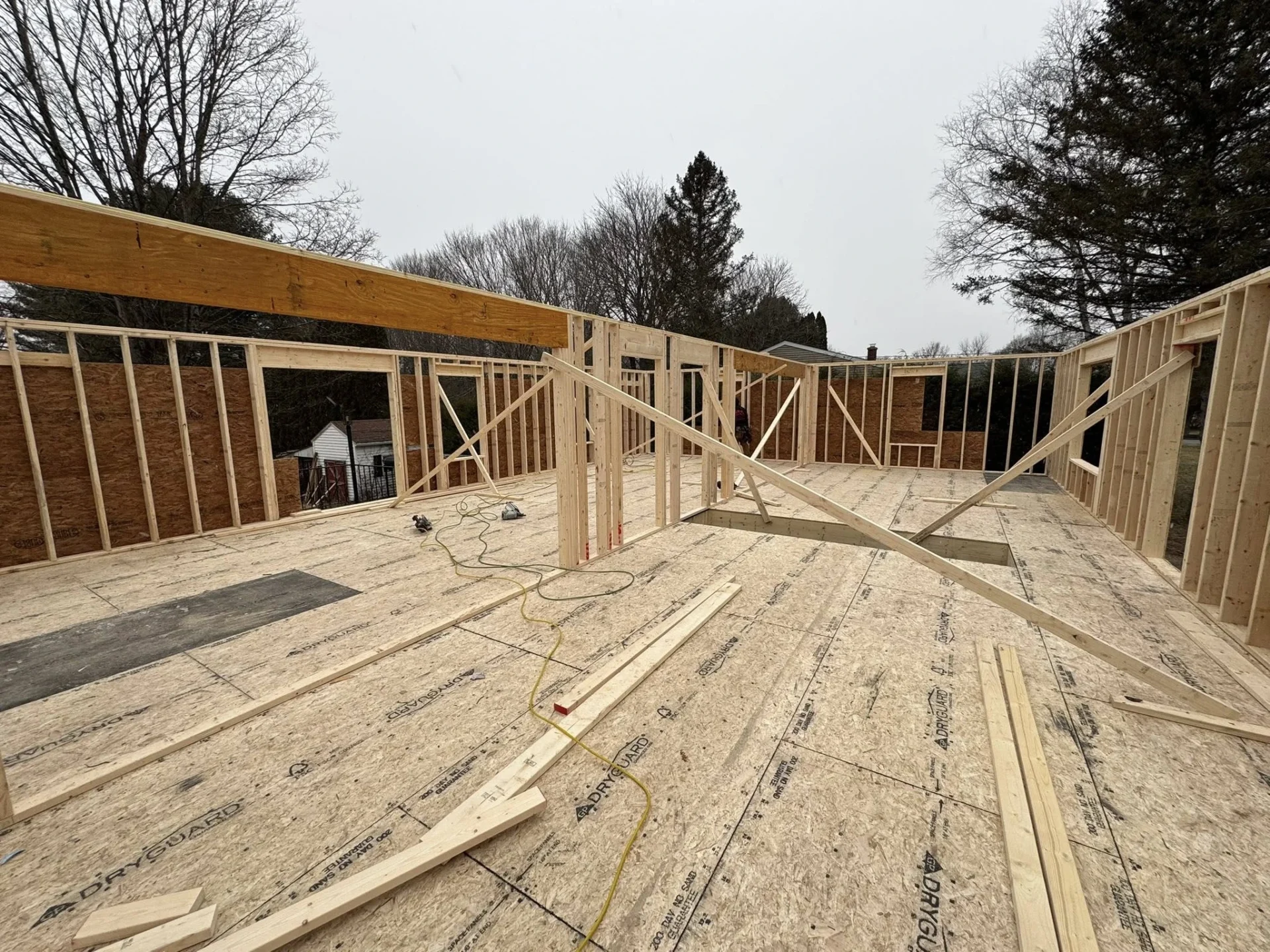
A standalone unit provides more than just extra space; it offers a long-term strategy for multi-generational living and estate planning. By creating a detached "in-law cottage," you can house elderly parents while maintaining the quiet enjoyment of your primary home.
This increase in property utility also significantly boosts home equity. As an experienced ADU builder in Connecticut, we help you weigh the pros and cons of building detached versus Attached In-Law Suites or building "up" with a second floor expansion.