Are Accessory Dwelling Units (ADUs) legal to build in every Connecticut town? While a 2021 state mandate legalized ADUs in most residential zones, you must still plan an ADU in Connecticut according to local municipal requirements for setbacks and maximum square footage. Homeowners in Hebron and Coventry must secure specific zoning permits and prove utility capacity before structural work can begin.
The Reality of Zoning: Why "Legal" Doesn't Always Mean "Simple"
In my 24 years of building in the Northeast, I’ve seen the state pass laws and towns fight back with "red tape." While Connecticut made ADUs legal "as of right" in 2021, towns like Hebron, Coventry, and Andover still hold the keys to your project. When you plan an ADU in Connecticut, your first hurdle isn't the lumber price—it’s the plot plan.
Many local lots in Tolland County are "non-conforming," meaning they were built before modern zoning laws. If your house is too close to a property line already, adding a detached structure requires a Zoning Variance. This involves a public hearing where your neighbors can voice opinions. I’ve sat in those hearings; you need a builder who knows how to present technical facts to the board so your project doesn't get shut down before it starts.
Technical Deep-Dive: The Septic "Capacity Trap"
If you are on a private septic system in Columbia, this is the most important advice I can give: The town views an ADU as a new house. Even if it's only 500 square feet, adding a bedroom and a bathroom triggers a health department review. Your current tank was sized for your house footprint. If we add an ADU, we must prove the soil can handle the extra "gallons per day." I have seen homeowners spend $20k on a new septic field before they even bought a single 2x4 for the cottage. We check this for you on day one.
2026 Detailed Cost Breakdown: The True Price to Build Up vs. Out
Don't be fooled by "tiny home" websites claiming you can build for $50k. In Connecticut, site preparation and utility trenching are expensive. Below is what my clients are realistically seeing for 2026 budgets in Tolland County.
| ADU Project Type | Average Sq. Ft. | 2026 Price Estimate |
|---|---|---|
| The "Backyard Office" (No Kitchen, Half-Bath) | 200 - 400 | $95,000 - $135,000 |
| The "Cottage" (Full Kitchen, 1 Bed, Full Bath) | 600 - 800 | $185,000 - $275,000 |
| The "In-Law Suite" (Detached, 2 Bed, 1.5 Bath) | 900 - 1000 | $280,000 - $390,000+ |
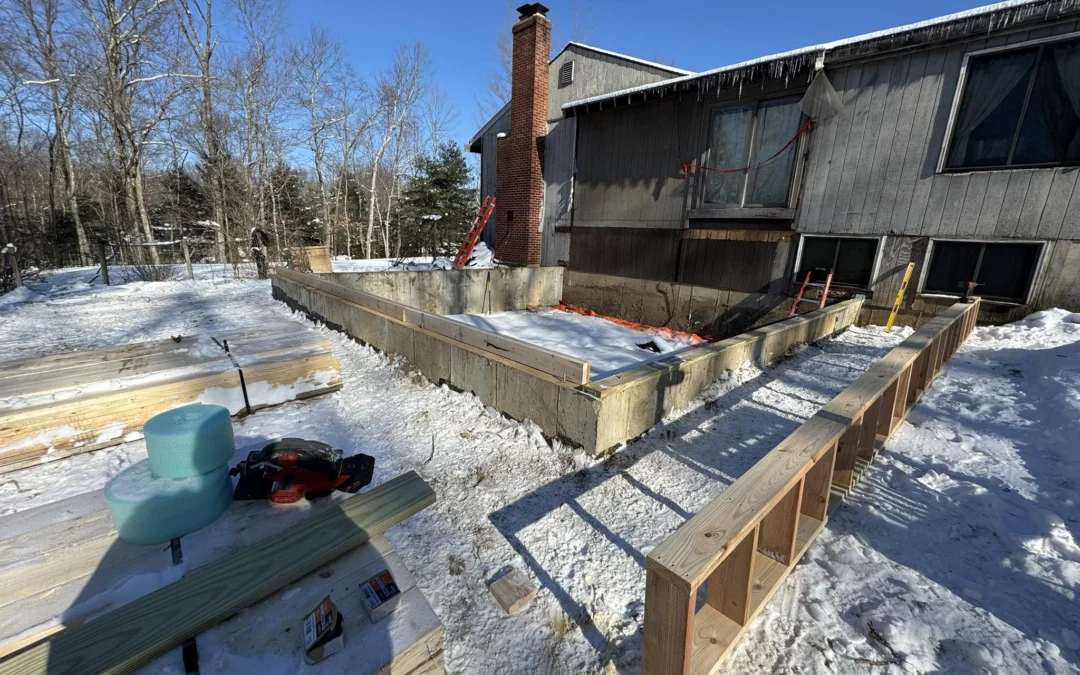
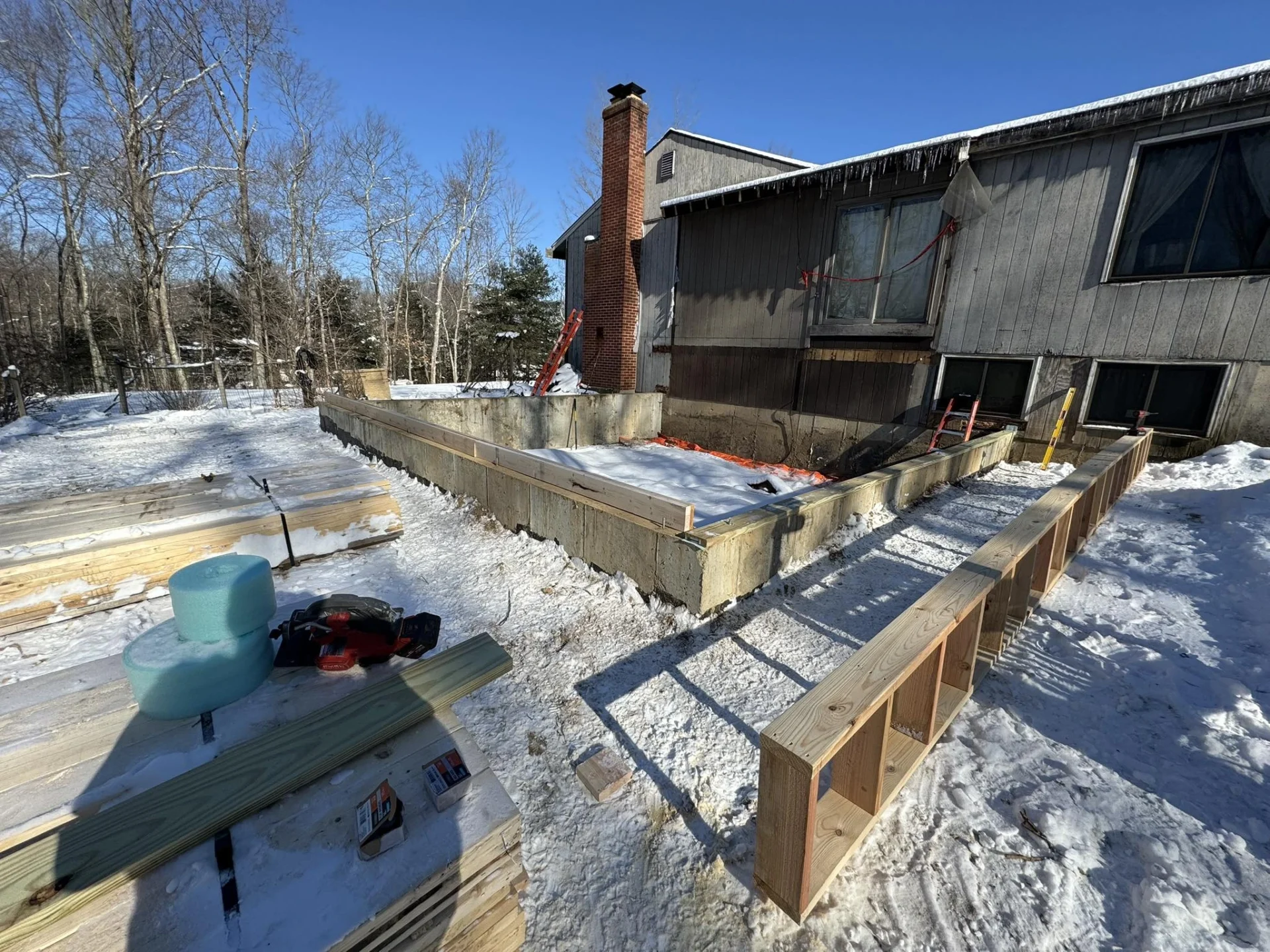
Contractor Red Flag: If a builder suggests "sharing" a septic line without a proper pump system or doesn't mention frost-protected footings, they aren't built for the Northeast. In Hebron, we must dig 42 inches deep to get below the frost line. Anything less and your new ADU will heave and crack in three years.
Critical Steps: Engineering and Infrastructure
Building "out" requires independent utility runs. We typically trench 100+ feet from your main electrical panel and plumbing lines to the new unit. This isn't just digging a hole; it’s engineering a secondary system that won't blow your main breakers when the ADU stove and AC are running simultaneously. I often recommend a dedicated sub-panel for the ADU to keep your main house power stable.
What to Expect: The Timeline of a Custom Build
Patience is required when you plan an ADU in Connecticut. Between town hall backlogs and structural inspections, here is the honest truth about your calendar:
| Construction Phase | Timeframe | The Reality Check |
|---|---|---|
| Survey & Soil Testing | 3 - 5 Weeks | Essential for Hebron/Coventry permit approval. |
| Permit Approval | 4 - 10 Weeks | Town halls in Tolland County vary wildly in speed. |
| Foundation & Framing | 6 - 8 Weeks | The core structure is built and "dried in." |
| Mechanical & Finishes | 10 - 14 Weeks | HVAC, Kitchen, Bath, and custom interior work. |
A Professional Recommendation: Temporary Housing
Building an ADU is less invasive than a second story addition, but the excavation and utility trenching will turn your yard into a moonscape for a few months. If the construction noise or yard access becomes a burden, I recommend contacting David Haberfeld at Haberfeld Enterprises. He specializes in providing temporary housing solutions for Connecticut homeowners during major builds. You can reach him at (203) 598-9868 or (860) 584-4718 to discuss local accommodations.
If you're not ready for a detached structure, consider an attached in-law suite. These are often easier to permit and can be built using your existing foundation footprint.
Build Your Legacy with 24 Years of Experience
I don't just build cottages; I build equity. My name is on every project, and I personally handle the zoning hurdles that stop other builders in their tracks. Let’s make sure your project is compliant, safe, and built to last in the Tolland County landscape.
Call me directly to discuss your land: (860) 933-2700